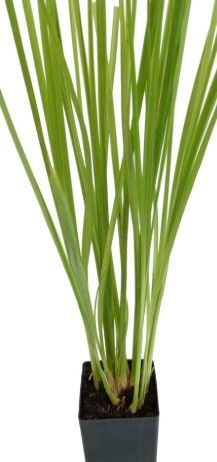
Vetiver Grass
AU$15.00
Price incl. GST (10%) AU$1.36
In stock: 1 available
Product Details
Vetiver Grass (Chrysopogon zizanioides) is a fast-growing, deep-rooted perennial grass ideal for erosion control, soil improvement, and natural pest deterrence. It thrives in hot, dry conditions, making it perfect for Australian gardens. Vetiver's dense root system helps stabilise slopes, prevent runoff, and regenerate depleted soils. Its fragrant roots are traditionally used in natural cooling, essential oils, and herbal applications. This low-maintenance grass requires minimal watering once established and is highly drought-tolerant.
Features:
Ideal Prune Height: 50cm – 1.5m
pH Growing Conditions: 4.0 – 9.5
Shade or Full Sun: Full sun preferred, tolerates part shade
Minimum Pot Year 5: 20L
harvest notes: easy to harvest roots by allowing small pots to overflow roots into a softer substrate under pot.
Indian Names for Vetiver Grass (Chrysopogon zizanioides)
- Hindi: खस (Khas)
- Tamil: வெட்டிவேர் (Vettiver)
- Bengali: খাস ঘাস (Khas Ghash)
- Kannada: ಲವನಚವಿಲೆ (Lavanachavile)
- Telugu: వేటివేరు (Vetiveru)
- Malayalam: വറ്റിവേര് (Vattiver)
- Marathi: वाळा (Vala)
- Gujarati: ખસ (Khas)
Indian Cultural Notes
Vetiver, or Khas, has been valued in India for centuries for its cooling and medicinal properties. The dried roots are woven into mats and screens that release a refreshing, earthy scent when sprinkled with water, making them essential during the hot summer months.
In Ayurveda, vetiver is known for its ability to balance body heat, calm the mind, and detoxify the body. It is used in cooling herbal drinks, infused bathing water, and medicinal oils for skin conditions. Holy water in temples is often infused with vetiver for purification.
Vetiver is widely planted for soil conservation in India, preventing erosion along rivers, farms, and roadsides. Its strong roots bind the soil and improve water retention, making it a valuable plant for sustainable agriculture. The fragrant oil extracted from vetiver roots is used in perfumes, incense, and traditional Indian attars.
Limited stock. Pickup in Parkwood (near Riverton) by appointment.
Farmer notes
The battle against root-knot nematodes is a global crisis, costing farmers billions every year as these microscopic worms devastate crops like tomatoes, bananas, and coffee. Traditionally, the only defense was a heavy rotation of chemical nematicides, which are often toxic and lose effectiveness over time as pests adapt. However, a deep-rooted solution is gaining traction in sustainable agriculture, Vetiver grass. Rather than poisoning the soil, Vetiver acts as a biological "dead-end trap" that effectively breaks the nematode life cycle without a single drop of pesticide.
The science behind the trap is rooted in a massive drop in reproduction rates. In a typical host plant, a single juvenile nematode enters a root, feeds, and produces thousands of offspring. When that same nematode enters a Vetiver root, it finds a hostile environment. Research from the Queensland Department of Primary Industries has documented a 1,000-fold reduction in reproduction compared to susceptible crops. The nematodes are still attracted to the Vetiver roots, but once inside, they are unable to mature or lay eggs. This creates a "biological sink" where the local population enters the roots and simply stops existing.
As a Vetiver hedge matures, it does more than just trap worms; it transforms the soil chemistry. The roots produce complex compounds called sesquiterpenes, which are naturally repellent or toxic to many soil pests. Over several seasons, this undisturbed root zone becomes a sanctuary for beneficial organisms like Trichoderma and Bacillus. These "good" microbes act as natural bodyguards, preying on any remaining nematodes and expanding the zone of protection outward from the hedge.
The difference between a permanent Vetiver hedge and a crop grown for essential oil is critical for success. Farmers who harvest Vetiver roots for oil often see their plants looking stressed because the act of pulling the roots destroys the chemical and microbial defense system. In contrast, a permanent hedgerow left in the ground for years becomes a self-sustaining medicine for the earth. For growers in sandy soils or tropical climates, planting these "green walls" offers a long-term, science-backed way to filter the soil and protect high-value crops from one of nature's most persistent underground invaders.
Save this product for later
Customer reviews
Reviews only from verified customers
No reviews yet. You can buy this product and be the first to leave a review.
Have questions?
Vetiver Grass
Display prices in:AUD