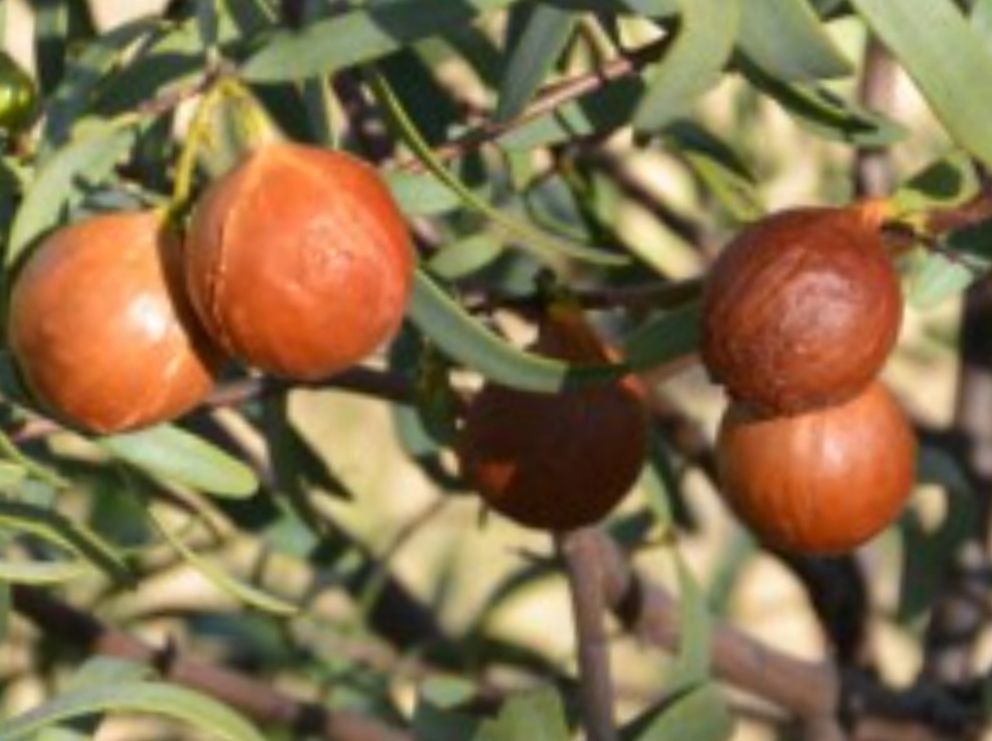
WA Sandlewood
AU$25.00
Price incl. GST (10%) AU$2.27
10 cms
In stock: 8 available
Product Details
Botanical Name: Santalum spicatum
Common Names: Western Australian Sandalwood, WA Sandalwood, Waang, Dutjahn
The WA Sandalwood is a local native tree, famous globally for its aromatic heartwood and essential oil. It's a slow-growing, Aussie species that works a treat as a feature tree, offering a nice shade and unique leaves. It's also a bit of a tricky customer, being what we call a 'hemi-parasite'—it needs to latch onto the roots of other plants to get a proper feed of water and nutrients. You'll need to plant it near a host plant, like a wattle, mulberry or olive, to keep it happy.
Features:
Ideal prune height range: 4-6m (Grows as a small tree or large shrub)
pH growing conditions: Tolerates a wide range, prefers well-draining soil.
Shade or full sun: Full sun to part shade.
Minimum pot year 5: Not recommended for long-term potting—needs room for a host plant.
Time to fruit age: 3-5 years for the edible nuts, but the valuable heartwood takes yonks, around 25 years plus.
This is a tough as nails, drought-tolerant WA native. It has grey-green leaves and small, fragrant flowers. The fruit is a round, golden-brown nut that is edible, with a high oil content. If you're keen on growing something truly West Australian with a rich history and unique character, this is the one. Just remember to give it a host plant at least 25 CMS away.
Interesting Notes:
The nut kernels are a bush food, loaded with healthy oils and protein. The wood's fragrance has been used for thousands of years by Aboriginal people. It’s the only native, non-tropical sandalwood in the world with commercial quantities.
A special native plant for the collector or for a re-vegetation project. Remember to plant with a suitable host.
Legally cannot sell nuts, jewelry or wood without a licence.
Limited stock. Pickup from Parkwood, WA. Delivery to Perth Metro only.
Keywords: WA Sandalwood, Santalum spicatum, native WA tree, aromatic tree, backyard fruit tree, essential oil tree, hemi-parasite
Save this product for later
Customer reviews
Reviews only from verified customers
No reviews yet. You can buy this product and be the first to leave a review.
Have questions?
WA Sandlewood
Display prices in:AUD